Navigating Cancer Care: Embracing Fitness, Diet, and Holistic Health for Survivorship
In the journey of cancer recovery, empowerment comes in various forms, but few are as impactful as embracing fitness and diet. As we delve into the realms of oncology, many might wonder: how can nutrition and exercises influence the tumultuous road of survivorship? Research suggests a significant connection between maintaining a robust fitness routine and a balanced diet in enhancing recovery and well-being for cancer patients. With each step taken on this path, individuals not only combat the malignancy that once threatened their lives but also reclaim their sense of agency over their bodies and health.
Imagine this: you are in a clinical trial, grappling with the emotional weight of a new cancer diagnosis. As you navigate the maze of treatment options, should you also take on a fitness regimen? The truth is, health experts recommend integrating fitness into your daily routine as it can aid in managing the symptoms of cancer therapy. It’s not just about surviving; it's about thriving! Healthy living can manifest in simple yet impactful choices. For instance, opting for a vibrant spinach salad instead of processed snacks might do wonders for energy levels and mood—fueling both body and spirit. Can you think of a simple change you can make today?
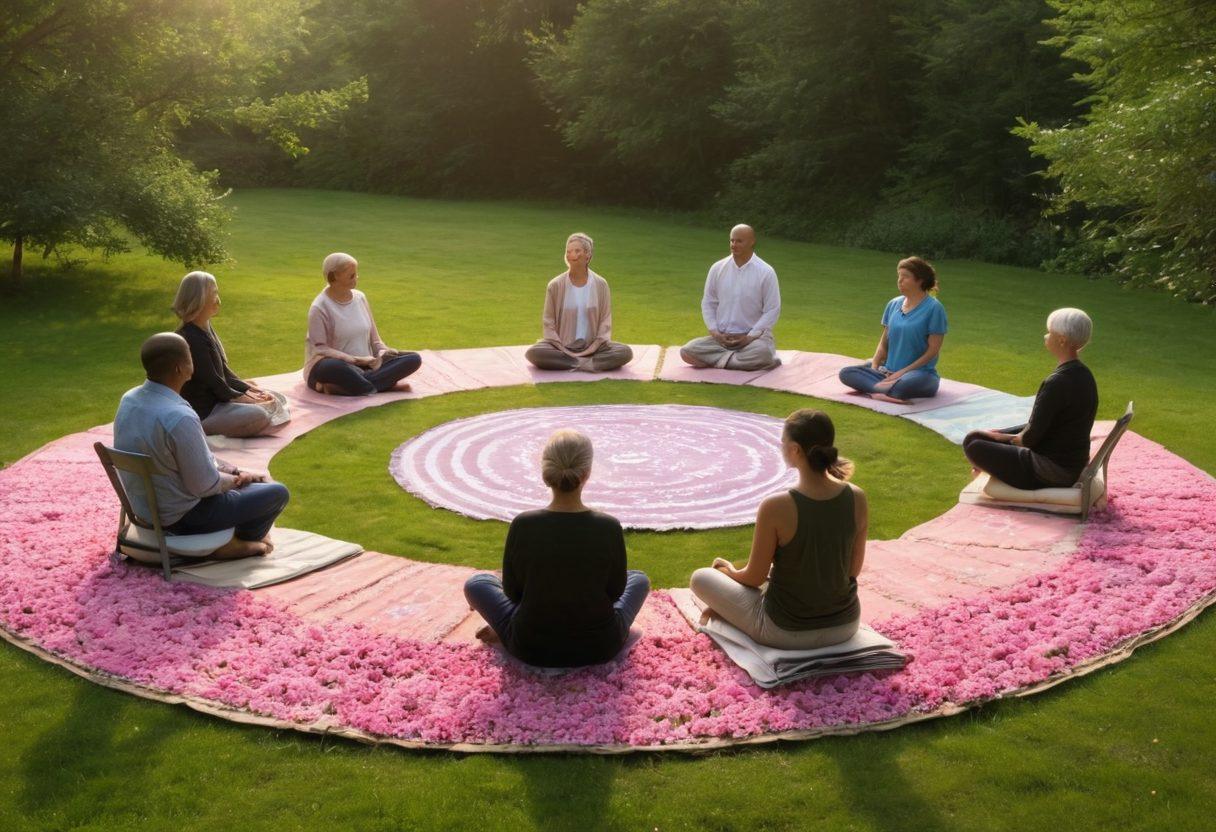
Mindfulness can serve as the anchor in this stormy sea of treatments and therapies. Incorporating practices like yoga or meditation into your fitness routine allows for a moment of reflection, deep breathing, and emotional support. Studies show that these alternative treatments not only ease physical discomfort but also promote emotional health—an often overlooked aspect of cancer care. So, how can you introduce this mindfulness into your life? Start small; begin with five minutes of deep breathing or a gentle walk in nature. What parts of your life could use a little more mindfulness?
Furthermore, the pivotal role of community support cannot be understated in the cancer journey. Being part of a group that shares the same experiences can be encouraging and empowering. Whether through organized workouts specifically designed for survivors, or community discussions focusing on nutrition, the support system acts as a catalyst for both emotional and physical resilience. Utilizing local resources, like joining a cancer awareness group or participating in fitness classes dedicated to survivorship, enables individuals to fuel their recovery while creating meaningful connections. Who can you reach out to in your community for support?
As we wrap up, it’s clear that the interconnectedness of fitness and diet with cancer recovery is a vibrant tapestry woven with threads of medical research and patient stories. A balanced lifestyle centered on holistic health principles offers a roadmap for survivorship. By prioritizing preventive care strategies—incorporating nutritious foods, understanding symptom management, and fostering emotional well-being—cancer survivors can pave the way to healthier, brighter futures. So, what step will you take today to embrace a life filled with healthy living? The choice is yours, and it starts now.
A Holistic Approach to Cancer Care: Integrating Mindfulness and Community Support
In the journey of cancer care, where every step can feel daunting, one powerful ally emerges: a holistic approach that factors in the mind, body, and community. Embracing fitness, diet, and mental well-being isn’t just an afterthought; it’s a fundamental path toward survivorship. Picture this: a vivid landscape where oncology meets mindfulness, woven together with threads of emotional support, healthy living, and community connection. Wouldn’t we all prefer thriving over merely surviving?
To understand the significance of a holistic view in cancer care, let’s take a moment to grasp the complex web of malignancy and its treatments. Traditional oncology focuses primarily on physical treatments like chemotherapy, radiation, and surgery, which target the tumor directly. However, as one embarks on the battle against cancer, the emotional, mental, and social needs often take the backseat. This is where the integration of fitness, therapy, and community support becomes imperative. How do we elevate our cancer care to encompass not just treatment but a celebration of life?
Mindfulness plays a pivotal role in this holistic approach, acting as a bridge between mental resilience and physical health. Studies in medical research have shown that mindfulness can significantly reduce anxiety and depression, both commonly experienced among cancer patients. Engaging in mindfulness techniques—such as meditation, yoga, or simply taking a quiet moment to breathe—can aid in emotional support and symptom management. Imagine the profound impact of these practices, providing a luminescent glow of peace amidst the uncertainty. Isn’t it empowering to realize that one can cultivate strength from within?
Furthermore, community support cannot be overstated. Building relationships with fellow warriors through support groups or online forums can foster a sense of belonging and shared experience. Picture this: friends who understand your fears, your triumphs, and your journey. In a world where cancer awareness thrives, these connections go beyond casual acquaintances; they become lifelines. Participating in community events, whether they revolve around fitness or alternative treatments, can reinforce the idea that no one fights alone. How can we harness the power of relationships for healing?
Finally, we cannot ignore the immense value of preventive care in this holistic framework. Emphasizing a nutrient-rich diet and regular fitness activities can work wonders in reducing the risk of cancer recurrence. Not to mention, it empowers survivors to take charge of their health actively. Conducting clinical trials around dietary interventions and therapy can unveil new alternatives for ongoing management and recovery. A proactive approach to survivorship ultimately means being equipped to face whatever lies ahead. Isn't the prospect of being in control of your health and future deliciously liberating?
Exploring Innovative Therapies: How Medical Research and Alternative Treatments Enhance Health
In the ever-evolving realm of cancer care, where the battle against malignancy continues to be waged, a whole new universe of therapies is emerging. It’s no longer just about traditional oncology practices; many survivors are finding solace and healing in innovative therapies. As the excitement in the medical research community grows, we are witnessing many breakthrough treatments that complement established methodologies. But how do these therapies enhance health and survivorship? Let’s explore this fascinating intersection of science and holistic health together.
When we talk about cancer, it's easy to get caught up in statistics—staggering numbers of tumors, survival rates, and clinical trials. Yet amidst these figures, there are personal stories that truly illuminate the power of innovative therapies. Meet Laura, a vibrant woman whose cancer diagnosis felt like a dark cloud hovering over her life. Through a combination of preventive care strategies, mindfulness practices, and acceptance of alternative treatments, Laura discovered that thriving after cancer wasn't just possible; it was her new reality. Her journey highlights the inspirational theme that while cancer changes lives, it doesn’t have to define them.
What makes these innovative therapies so compelling? For one, they focus on the whole person rather than just the cancer. Holistic health recognizes the intricate connection between the mind, body, and spirit. Have you ever thought about how your daily diet—perhaps rich in anti-inflammatory foods—and consistent fitness routines could function as integral parts of your treatment plan? This level of patient support invigorates survivors and helps them reclaim their lives, nourishing their bodies and minds as they navigate their unique journeys through cancer care.
The role of emotional support cannot be underestimated in this process. Community support is paramount, and people are often surprised at how quickly they can bond with fellow survivors. Whether engaging in yoga classes designed for cancer patients or starting a local support group, these connections enhance emotional well-being and provide invaluable resources. Remember, the road to survivorship is not a lonely one; it is lined with robust support systems that are ready to uplift and encourage. Isn't it comforting to know that help is just a conversation away?
As we shine a light on cancer awareness, let’s not forget that the path to recovery can be multifaceted. The incorporation of alternative treatments such as acupuncture or meditation offers holistic avenues for symptom management that complement traditional therapies, encouraging a balanced approach to health. Exploring these innovative therapies is akin to adding color to a otherwise monochrome canvas; it makes the journey of survivorship more vibrant and full of potential. So, as you navigate your own cancer care, consider what innovative therapies resonate with you—after all, your health journey is uniquely yours, and every step deserves to be celebrated.